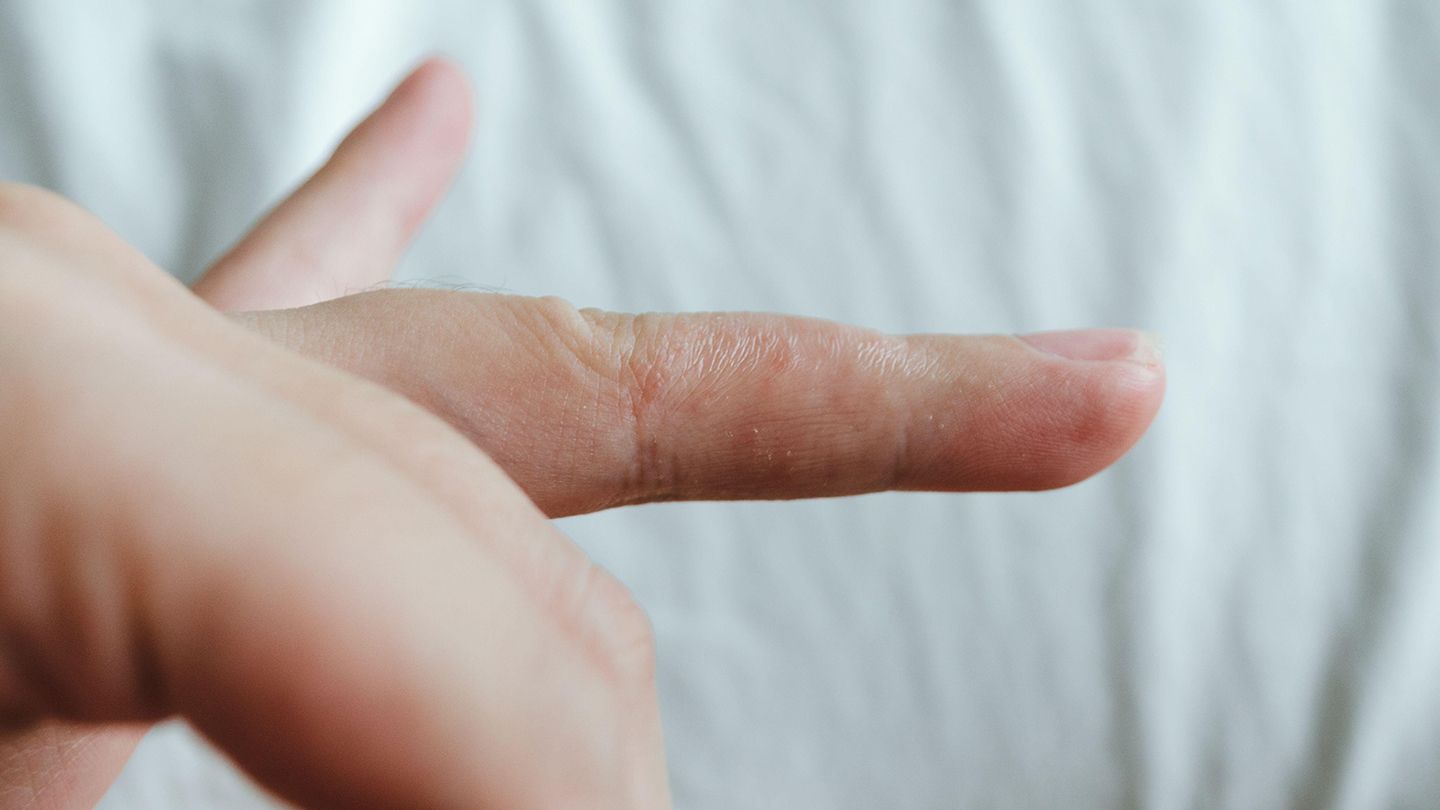
Laundry day has to do with your skin flare-ups, Generally, eczema and rosacea are two of the common skin conditions that people should be aware of. They have similar symptoms, such as, bumps, itching, and redness, making it difficult to distinguish them.
However, it’s important to know that they have key differences. Compared to eczema, rosacea usually develops on the nose and cheeks, characterized by blushing or flushing. Because of this, dealing with rosacea can also be challenging as it can cause anxiety, stress, and other psychological problems. Luckily, there are rosacea skin care tips from the experts that can help you manage its symptoms and allow you to live your best life.
On the other hand, eczema usually develops on certain areas of the body, like eyelids and the skin located near your mouth. It’s characterized by the appearance of blood vessels and flushing. Like rosacea, eczema can also affect your self-esteem by causing emotional burdens.
But, between these two skin conditions, this article focuses on eczema. So, to lessen or prevent skin eczema, you must pay attention to your laundry practices to reduce or avert skin eczema. Several of us are highly dependent on laundry delivery services. However, they might use general laundry practices or other laundry products that can be a nightmare for people with sensitive skin.
Choose the best laundry apps in NYC if you need help with doing laundry
If you have sensitive skin, this article can help you lessen or prevent flare-ups.
Be careful with hand washing clothes.
Sometimes we have to hand wash our clothes, or at times you choose to hand wash than bring them to the laundromat. You must be careful with hand washing especially when you have sensitive skin.
Detergents have oil-breaking abilities, which pull away the oil on the surface of your skin, irritating your skin barrier. It is best to wash clothes with gloves, just like what you do when doing the dishes.
Be familiar with laundry products.
If you are not yet aware, dermatologist-approved laundry products for eczema. Consider buying and bringing these products when laundry at laundromats or specify them when handing clothes to laundry services.
Always wash new clothes.
New clothes have sprays and chemicals to make them look nice on mall displays; using them immediately can irritate your skin. It is best to play it safe by washing your new clothes.
Only use an adequate amount of laundry detergent.
Dermatologists recommend using only an adequate amount of laundry detergent. It is best to read and follow the amount suggested on the label. This prevents soap residue and proper cleaning.
If you use a laundry powder or pod, you might use more than the amount needed for a particular load. Thus, it might be best to use a non-pod liquid detergent.
Do not overload the washer and dryer.
Overloading the washer and dryer prevents the clothes from having optimum laundry results. An overloaded washer cannot dissolve the laundry detergent or remove the grimes correctly. Meanwhile, overfilling your dryer results in damp clothes.
Do not allow ineffective cleaning. It will only trigger your skin eczema.
Run more rinse cycles.
It is essential to thoroughly rinse away the detergents to avoid the residues coming into contact with your skin. Detergent residues may cause skin flare-ups. You can double or triple rinse your clothes.
But there is a crucial point for this, and if you are using the suitable detergent and applying only the right amount, multiple rinses are unnecessary.
Do not use fabric softener and dryer sheets.
Often fabric softeners contain a common allergen that irritates the skin, and most fabric softeners and dryer sheets are fragranced, which adds up to the potential allergen.
It is best to leave instructions if you do not have a laundry room at home and rely heavily on laundry services. After all, the staff knows that everyone’s skin is different. These tips may not be practical, but a little trial and error help you learn what is best for your skin.
Conclusion
Dealing with eczema can be frustrating, especially if it’s not treated properly. It can make you feel unconfident and embarrassed because of how you look. Depending on the severity of this skin condition, it can influence how you feel about the choices you make in life.
Fortunately, there are a lot of ways that can help you prevent or minimize skin eczema aside from medical treatments. One popular option is following proper laundry practices. However, if you don’t know how and where to start, it’s best to keep the information mentioned above from the get-go.
Read Also
- Where to Find Reliable Mental Health Support for Teens
 Have you noticed changes in your teen’s mood, sleep, or behavior that leave you worried? Growing up can bring stress from school, friends, family, and new demands. Some teens may struggle to share their feelings or ask for help, even when they need support. Finding the right mental health support for teens can help them… Read more: Where to Find Reliable Mental Health Support for Teens
 - Top Trends Shaping the Future of Mental Health CareMental health care is moving fast to meet daily human needs. People want direct care that fits modern life. Clinics respond by creating flexible options that make healing easier to reach. Providers look past rigid habits to give people solid care. From smart tools to body wellness, these changes help people find relief when life… Read more: Top Trends Shaping the Future of Mental Health Care
- Full-Arch Dental Tourism: Why UK Patients With Severe Bone Loss Are Looking AbroadDental implants have become one of the fastest-growing segments of private dentistry. Within that market, one patient group behaves very differently from the rest: people who have been told they do not have enough upper jawbone for conventional implants. For these patients, the choice is rarely between one clinic and another. It is between a… Read more: Full-Arch Dental Tourism: Why UK Patients With Severe Bone Loss Are Looking Abroad
- Levels of Mental Health Care and When to Seek SupportMental health care can range from occasional outpatient appointments to 24-hour hospital treatment. The appropriate level depends on safety, symptom severity, daily functioning, medical needs, available support, treatment history and personal preferences. A licensed clinician should assess these factors rather than relying on a symptom list alone. Need help now? In the United States, call… Read more: Levels of Mental Health Care and When to Seek Support
- How to Choose a Shilajit Brand Based on the ResearchIn a randomized trial published in the Journal of the International Society of Sports Nutrition in 2019, 63 active men took 250 mg of standardized shilajit, 500 mg, or a placebo every day for eight weeks, and the benefit for strength retention after a fatiguing workout appeared only at 500 mg. For anyone choosing a… Read more: How to Choose a Shilajit Brand Based on the Research